Residential Gutter Materials Compared: Aluminum, Steel, Copper, and Vinyl
Residential gutter materials compared: aluminum, steel, copper, and vinyl help homeowners choose durable options, and local service providers can expertly install the best fit for their needs.
Homeowners exploring options for residential gutter materials often find themselves weighing the benefits and drawbacks of aluminum, steel, copper, and vinyl. Each material offers distinct characteristics that can impact durability, appearance, and maintenance needs, making it important to consider practical factors like weather resistance and longevity. Property owners in the area may find it helpful to understand how these materials perform over time, especially since local weather patterns can influence gutter performance and lifespan. Keep reading to learn more about how these residential gutter materials compare and how local contractors can assist in selecting and installing the best solution for your home.
Choosing the right gutter material is a key step in ensuring effective water management and protecting your property’s foundation and landscaping. Local service providers who specialize in residential gutter installation can offer valuable guidance tailored to specific material choices, ensuring proper installation and optimal performance. Whether considering aluminum for its lightweight nature, steel for strength, copper for its aesthetic appeal, or vinyl for affordability, property owners can benefit from the expertise of experienced contractors to help make informed decisions and achieve long-lasting results.
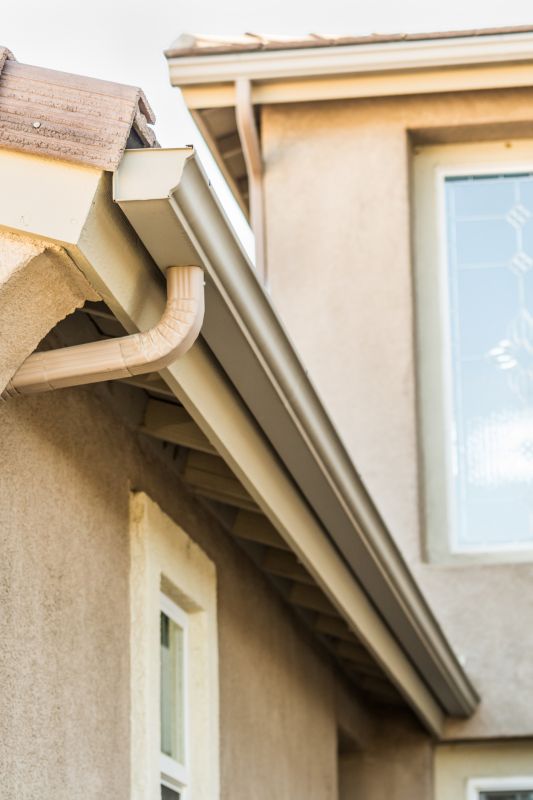
- Residential gutters installation with aluminum is ideal for homeowners seeking durable, lightweight options, and local contractors often recommend this material for easy installation and low maintenance.
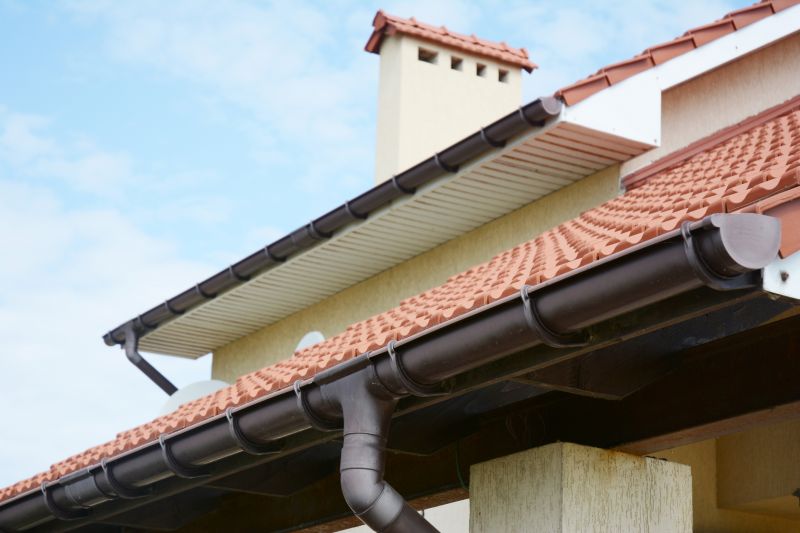
- Steel gutter installation services are suitable for properties requiring heavy-duty, long-lasting solutions, with local service providers focusing on corrosion-resistant finishes for longevity.
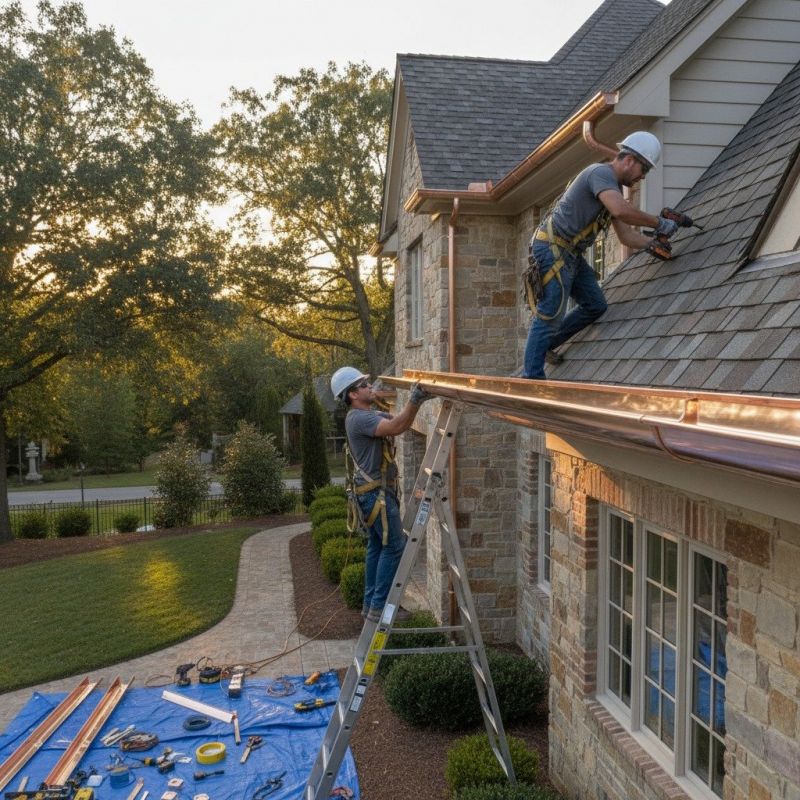
- Copper gutter installation appeals to those wanting a distinctive, high-end appearance, and local pros typically handle intricate detailing and proper sealing to ensure lasting performance.
- Vinyl gutter installation is a practical choice for budget-conscious homeowners, with local contractors emphasizing quick setup and minimal upkeep when working with this material.
- Comparing residential gutter materials like aluminum, steel, copper, and vinyl helps homeowners understand which option best fits their needs, with local service providers ready to assist with expert installation tailored to each material.
When homeowners search for information on residential gutter materials compared: aluminum, steel, copper, and vinyl, they are typically looking to understand the differences in durability, appearance, and maintenance needs among these options. This topic often relates to planning or upgrading gutter systems to improve property protection from water damage, especially in areas prone to heavy rainfall or snow. Property owners may be considering a new installation or replacement for existing gutters, aiming to select materials that match their home's style, withstand local weather conditions, and require minimal upkeep. Understanding these material options helps homeowners make informed decisions that align with their property's specific needs and long-term goals.
The comparison of residential gutter materials also connects to common problems such as leaks, rust, sagging, or deterioration over time. For many homeowners, the goal is to find a solution that offers reliable performance and minimizes future repairs. Different materials come with distinct advantages and drawbacks-aluminum gutters are lightweight and resistant to rust, steel offers strength and longevity, copper provides an attractive appearance with high durability, and vinyl is often the most budget-friendly and easy to install. Homeowners often seek guidance on which material best suits their property's size, style, and local climate, making it essential to work with experienced local contractors who understand the nuances of each option.
The types of properties that typically come up in discussions about gutter materials include single-family homes, multi-unit residential buildings, and historic or custom-designed houses. Each property type may have different aesthetic preferences and structural considerations that influence material choice. For example, historic homes might favor copper for its classic look, while newer or budget-conscious residences might opt for vinyl or aluminum. Local service providers can help assess these factors and recommend the most suitable materials based on the property's size, style, and environmental exposure. Connecting with experienced contractors ensures that the installation process aligns with the specific requirements of each property, resulting in a functional and visually appealing gutter system.
Ultimately, understanding the differences among aluminum, steel, copper, and vinyl gutters helps homeowners make practical choices for their property’s water management needs. Each material offers unique benefits that can address common issues like rust, corrosion, or aesthetic preferences. Working with local contractors who specialize in residential gutter installation allows property owners to select the best material for their specific circumstances, ensuring a durable, effective, and attractive gutter system. This comparison provides a clearer picture of what to expect from each option, making it easier to plan and execute a gutter project that enhances the property's protection and curb appeal.
Metal fabrication projects - tasks such as custom flashing or decorative accents often require skills with aluminum, steel, or copper, similar to those used in gutter material installation.
Roofing and siding installation - these projects involve planning and installing durable materials, paralleling the skills needed for selecting and installing various gutter materials.
Home exterior remodeling - involves coordinating different materials and finishes, which can relate to choosing complementary gutter materials for aesthetic and functional purposes.
Cladding and fascia work - installing or repairing exterior trim shares tools and techniques with gutter material installation, especially with metal options like steel and copper.
Downspout and drainage system setup - designing and installing effective water management solutions aligns with the planning involved in gutter material choices and installation.
Metal roof installation - requires handling and fitting metal components, similar to working with aluminum, steel, or copper gutters, emphasizing skills in precise cutting and fitting.
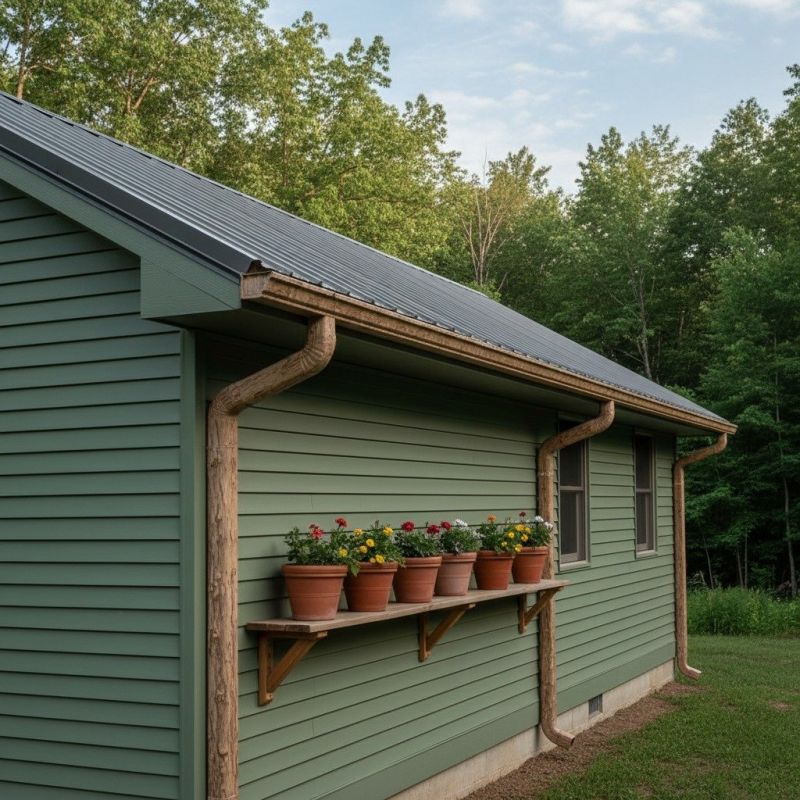
When evaluating residential gutter materials compared: aluminum, steel, copper, and vinyl, it is important to consider the experience of local contractors with similar projects. Homeowners should seek out service providers who have a proven track record installing these materials in homes comparable to their own. An experienced contractor will understand the nuances of each material’s installation requirements, durability considerations, and aesthetic qualities, ensuring that the chosen gutter system performs effectively and complements the home’s architecture. Verifying references or examples of previous work can provide insight into a contractor’s familiarity with different gutter materials and their ability to handle the unique challenges that may arise during installation.
Clear written expectations are essential when comparing local contractors for residential gutter installation. Homeowners should request detailed proposals that specify the scope of work, materials to be used, warranty information, and any maintenance considerations. This clarity helps prevent misunderstandings and ensures that both parties are aligned on project goals. A reputable service provider will be transparent about what the installation entails, including how they handle material selection, preparation, and finishing details. Well-defined expectations foster smoother communication and create a foundation for a successful project, regardless of the gutter material chosen.
Good communication and reputable references are key factors when selecting local contractors for residential gutter services. Homeowners are encouraged to ask for references or reviews from past clients who had similar materials installed, as this can reveal the contractor’s reliability and professionalism. Effective communication throughout the process allows for questions about material differences-such as maintenance, longevity, and appearance-to be addressed promptly. Service providers who listen carefully, provide thorough explanations, and respond openly to concerns are more likely to deliver a positive installation experience. This approach helps ensure that the homeowner’s preferences and project requirements are understood and met, leading to a successful outcome with the chosen gutter materials.
Property owners often search for residential gutter materials compared: aluminum, steel, copper, and vinyl when they are planning practical projects around their homes and businesses. Local pros provide Residential Gutters Installation services for everyday jobs and straightforward project options.

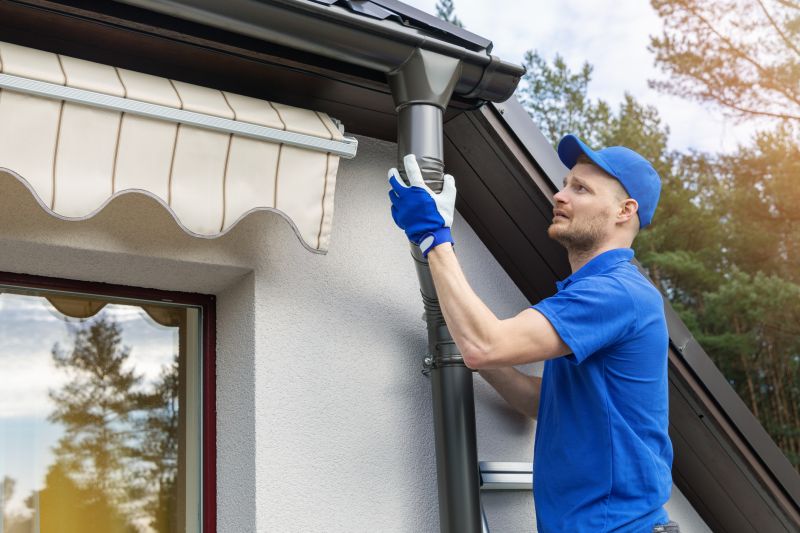
Residential gutter materials compared: aluminum, steel, copper, and vinyl, are common considerations for property owners planning gutter installation or replacement. Each material offers different benefits that can impact durability, appearance, and maintenance needs. For example, aluminum gutters are lightweight and resistant to rust, making them a popular choice for many homes. Steel gutters are known for their strength and longevity, especially in areas prone to heavy weather, while copper gutters provide a distinctive look and tend to develop a natural patina over time. Vinyl gutters are often the most affordable and easy to install, making them suitable for straightforward projects or budget-conscious homeowners.
Understanding the differences in these materials can help property owners make informed decisions when planning gutter upgrades or installations. Local contractors can provide guidance on which material best suits the specific needs of a home, considering factors like climate, aesthetic preferences, and maintenance expectations. These service providers can handle the installation process efficiently and ensure the chosen gutters are properly fitted to protect the property from water damage. Comparing residential gutter materials and working with experienced local specialists can help ensure a durable, functional, and attractive gutter system tailored to the property’s unique requirements.
What are the main differences between aluminum, steel, copper, and vinyl gutters? Residential gutter materials compared: aluminum, steel, copper, and vinyl vary in durability, appearance, and maintenance needs. Local contractors can help determine which material suits specific home requirements and style preferences.
How does the durability of different gutter materials compare? Aluminum and steel gutters tend to be more durable than vinyl, with copper offering high longevity and resistance to corrosion. Local service providers can advise on which material best withstands local weather conditions.
Are some gutter materials easier to install than others? Vinyl gutters are generally lighter and simpler to install, while metal options like aluminum, steel, and copper may require more specialized skills. Local pros have the expertise to handle installation safely and correctly.
Which gutter materials require the most maintenance? Vinyl gutters typically need less maintenance, whereas steel and copper may require periodic inspections for rust or patina. Local contractors can provide guidance on maintenance expectations for each material.
Can local pros help decide which gutter material is best for a specific home? Yes, experienced service providers can assess a home's architecture, climate, and aesthetic preferences to recommend the most suitable gutter material based on residential gutter materials compared: aluminum, steel, copper, and vinyl.
Assessing durability needs - property owners can consider how each residential gutter material compared: aluminum, steel, copper, and vinyl, aligns with their climate and wear resistance requirements when planning gutter installation projects with local contractors.
Matching aesthetic preferences - homeowners might choose among these materials based on their visual appeal and compatibility with existing home exteriors, with local service providers offering guidance on style options.
Evaluating maintenance requirements - property owners can factor in how much upkeep each gutter material needs, ensuring they select a solution that fits their maintenance capacity when working with local pros.
Considering longevity expectations - individuals planning long-term investments in their home can compare the lifespan of different gutter materials and consult local contractors for advice on the most enduring options.
If you are thinking about residential gutter materials compared: aluminum, steel, copper, and vinyl for a property, this guide is meant to help you understand this topic, the typical project types, and how different options might fit your plans.
When you are ready, you can use the quote form on this page to share a few details about your project. From there, local pros can review the basics and follow up with options that match what you have in mind.